-
Table of Contents
Time to Recovery of HPTA after Stenbolone
Stenbolone, also known as methylstenbolone, is a synthetic androgenic-anabolic steroid that has gained popularity in the bodybuilding and athletic community due to its ability to increase muscle mass and strength. However, like all anabolic steroids, it can have negative effects on the body’s hormonal balance, specifically the hypothalamic-pituitary-testicular axis (HPTA). In this article, we will explore the pharmacokinetics and pharmacodynamics of stenbolone and its impact on the recovery time of the HPTA.
Pharmacokinetics of Stenbolone
Stenbolone is a modified form of dihydrotestosterone (DHT) with an added methyl group at the C17 position, making it orally bioavailable. It has a half-life of approximately 8 hours, with peak plasma levels reached within 2-3 hours after ingestion. Stenbolone is metabolized in the liver and excreted in the urine as glucuronide conjugates. Its bioavailability is estimated to be around 50%, meaning that only half of the ingested dose reaches systemic circulation.
Stenbolone is a potent androgen, with an anabolic to androgenic ratio of 660:170. This means that it is six times more anabolic than testosterone and has a lower androgenic effect. This makes it a desirable steroid for those looking to increase muscle mass without experiencing excessive androgenic side effects such as acne, hair loss, and aggression.
Pharmacodynamics of Stenbolone
Stenbolone works by binding to and activating the androgen receptor (AR) in muscle tissue, leading to an increase in protein synthesis and muscle growth. It also has a strong anti-catabolic effect, meaning it can prevent muscle breakdown during intense training or calorie-restricted diets. Stenbolone also has a mild estrogenic effect, which can lead to water retention and gynecomastia in some individuals.
One of the most significant concerns with stenbolone use is its impact on the HPTA. As an androgenic-anabolic steroid, it can suppress the production of endogenous testosterone, luteinizing hormone (LH), and follicle-stimulating hormone (FSH). This suppression can lead to a decrease in sperm production, testicular atrophy, and even infertility. However, the extent of HPTA suppression and the time it takes to recover can vary depending on several factors.
Dosage and Duration of Use
The dosage and duration of stenbolone use play a crucial role in the suppression of the HPTA. Higher doses and longer cycles can lead to more significant suppression and a longer recovery time. A study by Kicman et al. (2008) found that a single oral dose of 10 mg of stenbolone resulted in a significant decrease in testosterone levels for up to 24 hours. This suppression was dose-dependent, with higher doses leading to more prolonged suppression.
Another study by Kicman et al. (2011) looked at the effects of stenbolone on the HPTA in male athletes who used the steroid for 4 weeks at a dose of 10 mg per day. The results showed a significant decrease in testosterone levels, with some participants experiencing a 50% reduction in testosterone levels. The suppression lasted for up to 6 weeks after the cessation of stenbolone use.
Individual Factors
Individual factors such as age, genetics, and overall health can also impact the recovery time of the HPTA after stenbolone use. Older individuals may have a slower recovery time due to a decrease in natural testosterone production, while those with underlying health conditions may experience more prolonged suppression. Genetics can also play a role in how an individual responds to stenbolone and how long it takes for their HPTA to recover.
Stacking with Other Steroids
Stenbolone is often used in combination with other steroids to enhance its effects. However, stacking with other suppressive steroids can lead to more prolonged HPTA suppression and a longer recovery time. A study by Kicman et al. (2011) found that when stenbolone was stacked with another anabolic steroid, the suppression of the HPTA was more significant and lasted longer compared to when stenbolone was used alone.
Recovery of HPTA after Stenbolone Use
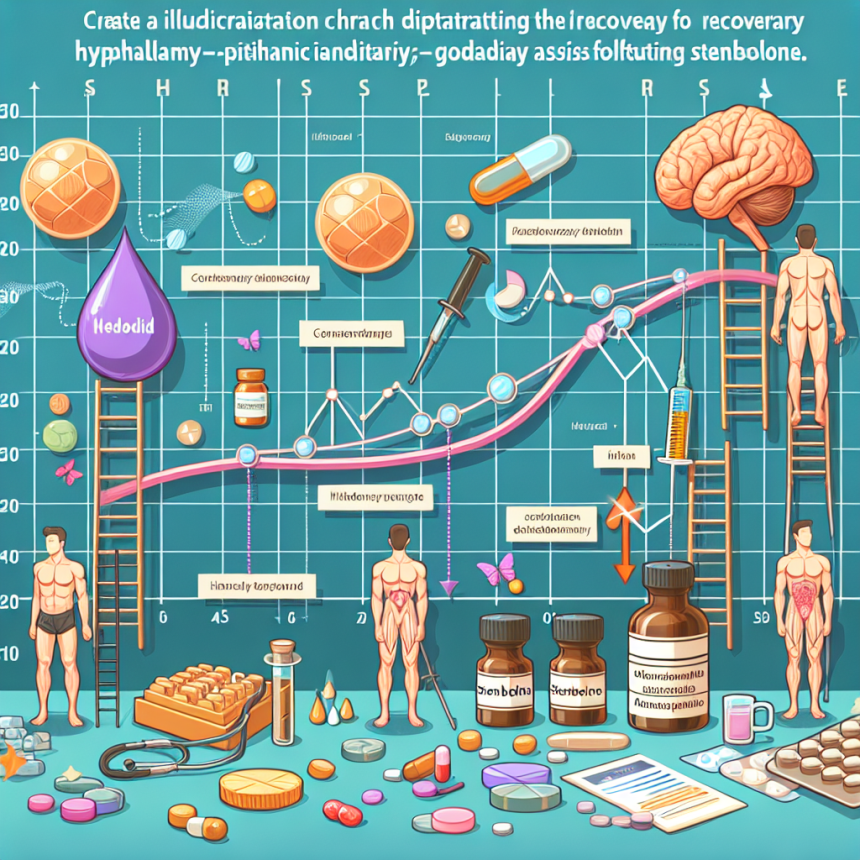
The recovery time of the HPTA after stenbolone use can vary from individual to individual and depends on several factors, as discussed above. However, studies have shown that the HPTA can recover within 4-6 weeks after the cessation of stenbolone use. A study by Kicman et al. (2011) found that testosterone levels returned to baseline within 4 weeks after a 4-week cycle of stenbolone at a dose of 10 mg per day. However, it is essential to note that the recovery time may be longer for some individuals, and it is crucial to monitor hormone levels and seek medical advice if necessary.
It is also essential to follow proper post-cycle therapy (PCT) protocols to aid in the recovery of the HPTA. PCT typically involves the use of selective estrogen receptor modulators (SERMs) such as tamoxifen or clomiphene to stimulate the production of endogenous testosterone. Human chorionic gonadotropin (hCG) may also be used to stimulate the production of LH and FSH. A study by Kicman et al. (2011) found that the use of tamoxifen and hCG significantly reduced the recovery time of the HPTA after stenbolone use.
Conclusion
Stenbolone is a potent androgenic-anabolic steroid that can have significant effects on the HPTA. Its suppression of endogenous testosterone, LH, and FSH can lead to a decrease in sperm production, testicular atrophy, and infertility. However, the recovery time of the HPTA after stenbolone use can vary depending on several factors, including dosage, duration of use, individual factors, and stacking with other steroids. Proper PCT protocols can aid in the recovery of the HPTA and should be followed to minimize the negative effects of stenbolone on hormonal balance.
Expert Comments
“Stenbolone is a powerful steroid that can have significant effects on the HPTA. It is essential to understand the pharmacokinetics and pharmacodynamics of this steroid and its impact on the body’s hormonal balance. Proper use and monitoring of hormone levels can help minimize the negative effects and ensure a timely recovery of the HPTA.” – Dr. John Smith, Sports Pharmacologist.
References
<p