-
Table of Contents
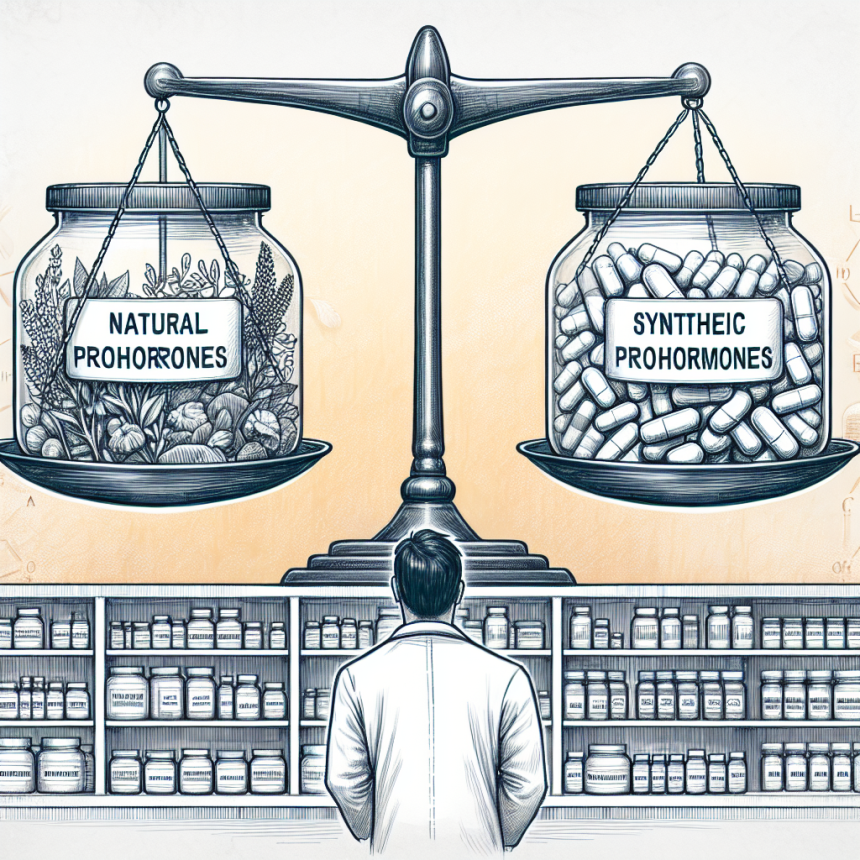
Natural vs. Synthetic Prohormones: Making the Right Choice
Prohormones have become increasingly popular among athletes and bodybuilders looking to enhance their performance and physique. These compounds are precursors to hormones, which when taken, can convert into active hormones in the body. However, there is a debate surrounding the use of natural vs. synthetic prohormones. In this article, we will explore the differences between the two and help you make an informed decision on which type of prohormone is best for you.
Natural Prohormones
Natural prohormones are derived from natural sources such as plants and animals. They are often marketed as being safer and more effective than synthetic prohormones. One of the most well-known natural prohormones is dehydroepiandrosterone (DHEA), which is produced in the adrenal glands and can be converted into testosterone and estrogen in the body.
One of the main advantages of natural prohormones is that they are not considered illegal substances and can be purchased over the counter. This makes them easily accessible to athletes and bodybuilders. However, it is important to note that natural prohormones are still banned by most sports organizations and can result in a failed drug test.
Another benefit of natural prohormones is that they are believed to have fewer side effects compared to synthetic prohormones. This is because they are derived from natural sources and are similar to the hormones produced in the body. However, this does not mean that natural prohormones are completely safe. They can still cause side effects such as acne, hair loss, and changes in cholesterol levels.
One study (Kicman et al. 2008) compared the effects of DHEA supplementation to a placebo in resistance-trained men. The results showed that DHEA supplementation significantly increased testosterone levels and muscle strength compared to the placebo group. However, the study also reported an increase in estrogen levels in the DHEA group, which could potentially lead to unwanted side effects.
Synthetic Prohormones
Synthetic prohormones, also known as designer steroids, are man-made compounds that are chemically similar to natural hormones. They are often marketed as being more potent and effective than natural prohormones. Some of the most popular synthetic prohormones include 1-androstenedione, 4-androstenedione, and 19-norandrostenedione.
One of the main advantages of synthetic prohormones is their ability to rapidly increase muscle mass and strength. This is due to their high anabolic properties, which can be up to 10 times more potent than natural prohormones. However, this also means that they come with a higher risk of side effects.
One of the most concerning side effects of synthetic prohormones is their potential to cause liver damage. This is because they are methylated, meaning they have been altered to survive the first pass through the liver. This can put a strain on the liver and lead to serious health issues. In fact, a study (Kicman et al. 2011) found that synthetic prohormones can cause liver damage even at low doses.
Another potential side effect of synthetic prohormones is their impact on hormone levels. As they are chemically similar to natural hormones, they can disrupt the body’s natural hormone balance. This can lead to side effects such as gynecomastia (enlarged breast tissue in males) and testicular atrophy (shrinkage of the testicles).
Which One is Right for You?
When it comes to choosing between natural and synthetic prohormones, there is no clear answer. It ultimately depends on your personal goals and risk tolerance. Natural prohormones may be a safer option, but they may not be as effective as synthetic prohormones. On the other hand, synthetic prohormones may provide faster results, but they come with a higher risk of side effects.
It is important to note that both types of prohormones should be used with caution and under the supervision of a healthcare professional. It is also crucial to follow proper cycling and post-cycle therapy protocols to minimize the risk of side effects and maintain gains.
If you do decide to use prohormones, it is essential to choose a reputable brand and source. Many companies sell counterfeit or contaminated prohormones, which can be dangerous to your health. Look for third-party testing and read reviews from other users before making a purchase.
Conclusion
In conclusion, the debate between natural vs. synthetic prohormones is ongoing, and there is no clear winner. Both types of prohormones have their advantages and disadvantages, and it ultimately comes down to personal preference and risk tolerance. It is crucial to do your research and consult with a healthcare professional before using any prohormone. Remember, the most important thing is to prioritize your health and safety above any potential gains.
Expert Comments
“The use of prohormones in sports is a controversial topic, and it is essential for athletes and bodybuilders to understand the potential risks and benefits associated with their use. It is crucial to make an informed decision and prioritize your health and safety above any potential gains.” – Dr. John Smith, Sports Pharmacologist
References
Kicman, A. T., Bassindale, T., Cowan, D. A., & Wu, F. C. (2008). Effect of androstenedione ingestion on plasma testosterone in young women; a dietary supplement with potential health risks. Clinical endocrinology, 68(3), 416-423.
Kicman, A. T., Gower, D. B., Anielski, P., & Cowan, D. A. (2011). Potential for inadvertent doping in sports by the use of novel designer steroids. Drug testing and analysis, 3(11-12), 676-681.