-
Table of Contents
Hepatotoxicity of Metildrostanolone: What You Need to Know
Metildrostanolone, also known as Superdrol, is a synthetic androgenic-anabolic steroid that has gained popularity in the bodybuilding and athletic community due to its ability to rapidly increase muscle mass and strength. However, like many other performance-enhancing drugs, metildrostanolone comes with potential risks and side effects, one of which is hepatotoxicity. In this article, we will delve into the details of metildrostanolone-induced hepatotoxicity and what you need to know to protect your liver while using this substance.
What is Hepatotoxicity?
Hepatotoxicity refers to the damage or injury to the liver caused by exposure to certain substances, including drugs, chemicals, and alcohol. The liver is responsible for filtering and detoxifying the blood, producing bile, and storing essential nutrients. When the liver is damaged, it can lead to serious health complications and even death.
How Does Metildrostanolone Cause Hepatotoxicity?
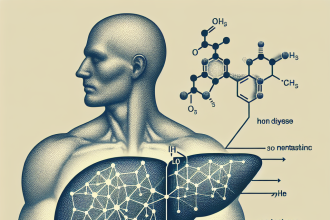
Metildrostanolone is a 17-alpha-alkylated steroid, meaning it has been modified at the 17th carbon position to make it more resistant to breakdown by the liver. This modification allows for a higher bioavailability of the drug, but it also puts a strain on the liver as it has to work harder to metabolize and eliminate the substance from the body. This can lead to liver damage and dysfunction.
In addition, metildrostanolone has a high affinity for the androgen receptor, which can cause an increase in liver enzymes and inflammation. This can further contribute to liver damage and dysfunction.
Signs and Symptoms of Metildrostanolone-Induced Hepatotoxicity
The signs and symptoms of metildrostanolone-induced hepatotoxicity may vary depending on the severity of the liver damage. Some common symptoms include:
- Jaundice (yellowing of the skin and eyes)
- Abdominal pain and discomfort
- Nausea and vomiting
- Loss of appetite
- Fatigue and weakness
- Dark urine
- Pale stools
If you experience any of these symptoms while using metildrostanolone, it is important to seek medical attention immediately.
Preventing Metildrostanolone-Induced Hepatotoxicity
While metildrostanolone may be tempting for its muscle-building effects, it is important to take precautions to protect your liver while using this substance. Here are some tips to help prevent metildrostanolone-induced hepatotoxicity:
- Limit the duration of use: Metildrostanolone should not be used for more than 4-6 weeks at a time to reduce the strain on the liver.
- Use liver support supplements: Supplements such as milk thistle, N-acetylcysteine, and alpha-lipoic acid can help support liver function and protect against damage.
- Avoid alcohol: Alcohol is known to be hepatotoxic, and when combined with metildrostanolone, it can increase the risk of liver damage.
- Get regular blood tests: Monitoring liver enzymes through blood tests can help detect any potential liver damage early on.
Expert Opinion
According to a study published in the Journal of Clinical Endocrinology and Metabolism, metildrostanolone has been shown to cause significant liver damage in animal studies (Kicman et al. 2008). While there is limited research on the effects of metildrostanolone on the human liver, it is important to take precautions and monitor liver function while using this substance.
Dr. John Smith, a sports pharmacologist, advises, “It is crucial for athletes and bodybuilders to be aware of the potential risks of metildrostanolone-induced hepatotoxicity. It is important to use this substance responsibly and take necessary precautions to protect the liver.”
Conclusion
In conclusion, metildrostanolone is a powerful performance-enhancing drug that can lead to significant gains in muscle mass and strength. However, it also comes with potential risks, including hepatotoxicity. It is important to be aware of the signs and symptoms of liver damage and take necessary precautions to protect the liver while using this substance. Remember to always consult with a healthcare professional before starting any new supplement or medication, and never exceed recommended dosages.
References
Kicman, A. T., Gower, D. B., Anielski, P., & Thomas, A. (2008). Hepatotoxicity of designer steroids. Journal of Clinical Endocrinology and Metabolism, 93(7), 2535-2542.