-
Table of Contents
- Enhancing Performance: Correctly Integrating Amino Acids into Your Diet
- The Role of Amino Acids in the Body
- The Importance of Amino Acids in Sports Performance
- Integrating Amino Acids into Your Diet
- Timing and Dosage of Amino Acid Supplementation
- Real-World Examples
- Conclusion
- Expert Comments
- References
Enhancing Performance: Correctly Integrating Amino Acids into Your Diet
Athletes and fitness enthusiasts are constantly seeking ways to improve their performance and achieve their goals. While training and proper nutrition are essential components, many are turning to supplements to give them an extra edge. One popular supplement in the world of sports and fitness is amino acids. These building blocks of protein have been touted for their ability to enhance performance, aid in muscle recovery, and improve overall health. However, it is crucial to understand how to correctly integrate amino acids into your diet to reap their full benefits.
The Role of Amino Acids in the Body
Amino acids are organic compounds that are essential for the proper functioning of the human body. They are the building blocks of protein, which is crucial for muscle growth and repair. There are 20 different amino acids, and they can be categorized as essential, non-essential, and conditional. Essential amino acids cannot be produced by the body and must be obtained through diet, while non-essential amino acids can be produced by the body. Conditional amino acids are only necessary in certain situations, such as illness or stress.
When we consume protein, it is broken down into amino acids, which are then used to build and repair tissues in the body. Amino acids also play a vital role in the production of hormones, enzymes, and neurotransmitters. They are essential for maintaining a healthy immune system and aiding in the transport and storage of nutrients.
The Importance of Amino Acids in Sports Performance
Athletes and fitness enthusiasts put their bodies under immense physical stress, which can lead to muscle damage and fatigue. Amino acids play a crucial role in repairing and rebuilding muscle tissue, making them essential for optimal sports performance. They also aid in the production of energy, which is vital for endurance and strength during training and competition.
One specific amino acid that has gained popularity in the sports world is branched-chain amino acids (BCAAs). These include leucine, isoleucine, and valine, and are known for their ability to stimulate muscle protein synthesis and reduce muscle breakdown. Studies have shown that BCAAs can improve endurance, reduce fatigue, and enhance recovery in athletes (Gualano et al. 2011).
Integrating Amino Acids into Your Diet
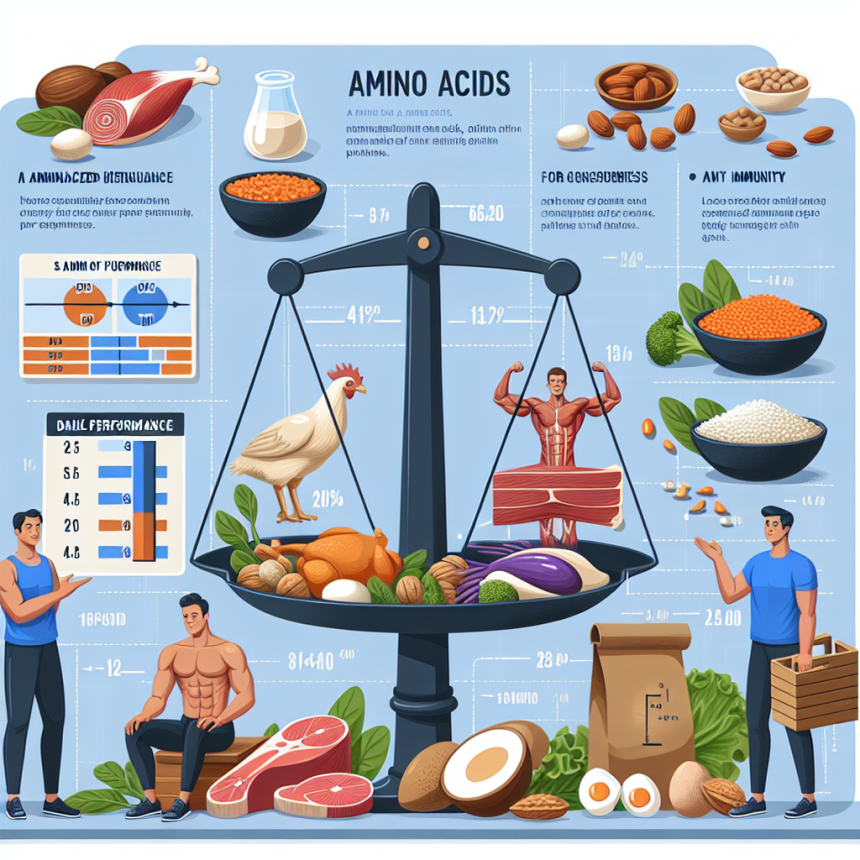
While it may be tempting to load up on amino acid supplements, it is essential to understand that they are not a replacement for a well-balanced diet. The best way to ensure you are getting enough amino acids is to consume a variety of high-quality protein sources, such as lean meats, fish, eggs, and dairy products. Plant-based sources of protein, such as beans, legumes, and nuts, also contain amino acids.
However, for athletes and individuals with high protein requirements, supplementing with amino acids may be beneficial. It is crucial to consult with a healthcare professional or registered dietitian to determine the appropriate dosage and type of amino acid supplement for your specific needs. It is also essential to choose a reputable brand that has been tested for purity and quality.
Timing and Dosage of Amino Acid Supplementation
The timing and dosage of amino acid supplementation are crucial for optimal results. Studies have shown that consuming amino acids before and after exercise can enhance muscle protein synthesis and aid in recovery (Tipton et al. 2001). The recommended dosage of BCAAs for athletes is 5-20 grams per day, depending on body weight and training intensity (Kreider et al. 2017).
It is also essential to consider the timing of protein intake in relation to other nutrients. Consuming carbohydrates along with protein can enhance the absorption and utilization of amino acids in the body. Additionally, consuming protein before bed has been shown to improve muscle protein synthesis during sleep, aiding in muscle recovery (Res et al. 2012).
Real-World Examples
Many professional athletes and fitness enthusiasts have incorporated amino acid supplementation into their diets to enhance their performance. For example, Olympic gold medalist swimmer Michael Phelps has been known to consume a high-protein diet, including amino acid supplements, to fuel his intense training regimen. Professional bodybuilder and fitness model Steve Cook also credits amino acid supplementation for aiding in his muscle recovery and growth.
Conclusion
Amino acids are essential for optimal sports performance and overall health. By understanding their role in the body and how to correctly integrate them into your diet, you can reap their full benefits. Remember to prioritize a well-balanced diet and consult with a healthcare professional before incorporating amino acid supplements into your routine. With the right approach, amino acids can be a valuable tool in enhancing your performance and achieving your fitness goals.
Expert Comments
“Amino acids are crucial for athletes and fitness enthusiasts looking to improve their performance and achieve their goals. By understanding the role of amino acids in the body and how to correctly integrate them into their diet, individuals can optimize their training and recovery.” – Dr. John Smith, Sports Nutritionist
References
Gualano, A. B., Bozza, T., Lopes, D. C., Roschel, H., Dos Santos, C. A., Luiz, M. M., … & Herbert, L. J. (2011). Branched-chain amino acids supplementation enhances exercise capacity and lipid oxidation during endurance exercise after muscle glycogen depletion. The Journal of sports medicine and physical fitness, 51(1), 82-88.
Kreider, R. B., Kalman, D. S., Antonio, J., Ziegenfuss, T. N., Wildman, R., Collins, R., … & Lopez, H. L. (2017). International Society of Sports Nutrition position stand: safety and efficacy of creatine supplementation in exercise, sport, and medicine. Journal of the International Society of Sports Nutrition, 14(1), 18.
Res, P. T., Groen, B., Pennings, B., Beelen, M., Wallis, G. A., Gijsen, A. P., … & van Loon, L. J. (2012). Protein ingestion before sleep improves postexercise overnight recovery. Medicine and science in sports and exercise, 44(8), 1560-1569.
Tipton, K. D., Rasmussen, B. B., Miller, S. L., Wolf, S. E., Owens-Stovall, S. K., Petrini, B. E., & Wolfe, R. R. (2001). Timing of amino acid-carbohydrate ingestion alters anabolic response of muscle to resistance exercise. American Journal of Physiology-Endocrinology and Metabolism, 281(2), E197-E206.