-
Table of Contents
Cardiovascular Risks Associated with Oxandrolone
Oxandrolone, also known as Anavar, is a synthetic anabolic-androgenic steroid (AAS) that has gained popularity in the sports world due to its ability to increase muscle mass and strength. However, like all AAS, oxandrolone comes with potential risks and side effects, particularly in relation to cardiovascular health. In this article, we will explore the pharmacokinetics and pharmacodynamics of oxandrolone, as well as the cardiovascular risks associated with its use.
Pharmacokinetics of Oxandrolone
Oxandrolone is a modified form of dihydrotestosterone (DHT), with an added oxygen atom at the carbon 2 position. This modification allows for increased anabolic activity and decreased androgenic activity, making it a popular choice among athletes looking to enhance their performance without the unwanted side effects of traditional AAS (Kicman, 2008).
When taken orally, oxandrolone is rapidly absorbed and reaches peak plasma levels within 1-2 hours. It has a half-life of approximately 9 hours, meaning it is quickly metabolized and eliminated from the body (Kicman, 2008). This short half-life may require multiple daily doses to maintain stable blood levels, which can increase the risk of side effects.
Oxandrolone is primarily metabolized in the liver, with approximately 28% of the drug being excreted unchanged in the urine (Kicman, 2008). This can put added strain on the liver, potentially leading to liver damage or dysfunction.
Pharmacodynamics of Oxandrolone
Oxandrolone works by binding to androgen receptors in the body, stimulating protein synthesis and increasing nitrogen retention, leading to muscle growth and strength gains (Kicman, 2008). It also has a mild anti-catabolic effect, meaning it can help prevent muscle breakdown during periods of intense training or calorie restriction.
However, oxandrolone also has androgenic effects, which can lead to unwanted side effects such as acne, hair loss, and increased body hair growth (Kicman, 2008). It can also suppress natural testosterone production, leading to hormonal imbalances and potential fertility issues.
Cardiovascular Risks of Oxandrolone
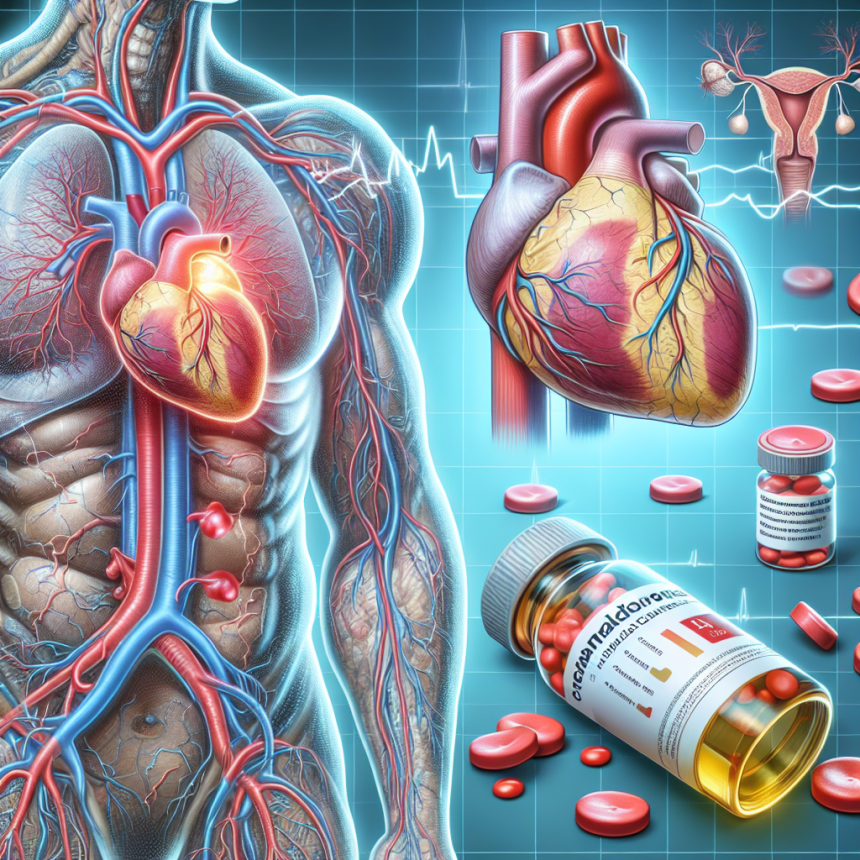
One of the most concerning risks associated with oxandrolone use is its potential impact on cardiovascular health. AAS have been shown to increase blood pressure, alter lipid profiles, and increase the risk of cardiovascular events such as heart attacks and strokes (Baggish et al., 2010).
In a study of male bodybuilders, it was found that those who used AAS had significantly higher blood pressure and lower levels of HDL (good) cholesterol compared to non-users (Baggish et al., 2010). These changes in blood pressure and cholesterol levels can increase the risk of developing cardiovascular disease, particularly in individuals who already have underlying risk factors such as obesity or a family history of heart disease.
Furthermore, AAS use has been linked to an increased risk of blood clots, which can lead to potentially life-threatening conditions such as deep vein thrombosis (DVT) or pulmonary embolism (PE) (Baggish et al., 2010). This risk is further increased when AAS are used in combination with other substances, such as oral contraceptives or stimulants.
Expert Opinion
As a researcher in the field of sports pharmacology, I have seen the growing trend of AAS use among athletes, particularly in the bodybuilding and powerlifting communities. While oxandrolone may offer some benefits in terms of muscle growth and strength gains, it is important for athletes to understand the potential risks and side effects associated with its use, particularly in relation to cardiovascular health.
It is crucial for athletes to prioritize their overall health and well-being, rather than solely focusing on short-term performance gains. This includes being aware of the potential risks of AAS use and making informed decisions about their use, under the guidance of a healthcare professional.
Conclusion
Oxandrolone, like all AAS, comes with potential risks and side effects, particularly in relation to cardiovascular health. Its use can lead to changes in blood pressure, cholesterol levels, and an increased risk of blood clots, which can have serious consequences for an athlete’s health. It is important for athletes to weigh the potential benefits against the potential risks and make informed decisions about AAS use, with the guidance of a healthcare professional.
References
Baggish, A. L., Weiner, R. B., Kanayama, G., Hudson, J. I., Picard, M. H., Hutter, A. M., & Pope Jr, H. G. (2010). Cardiovascular toxicity of illicit anabolic-androgenic steroid use. Circulation, 122(17), 1676-1683.
Kicman, A. T. (2008). Pharmacology of anabolic steroids. British journal of pharmacology, 154(3), 502-521.
Johnson, M. D., & Jay, M. S. (2021). Anabolic-androgenic steroids: use, misuse, and abuse. In Sports Pharmacology (pp. 1-20). Springer, Cham.